Adult, Pediatric, Infant CPR Manikins with Feedback: A Trainer’s Guide
CPR training’s success depends on precision—not just going through the motions. Traditional manikins lack real-time guidance, leaving trainees uncertain. Adult, pediatric, and infant CPR manikins with feedback solve this, turning passive practice into precise learning that prepares rescuers for real emergencies.CPR requires exact compression depth, rate, recoil, and ventilation—critical for vulnerable groups like children and infants. Feedback manikins provide immediate data, acting as a coach to ensure mastery. Below, we cover their value, age-specific design, and key features.
[caption id="" align="alignnone" width="500"]
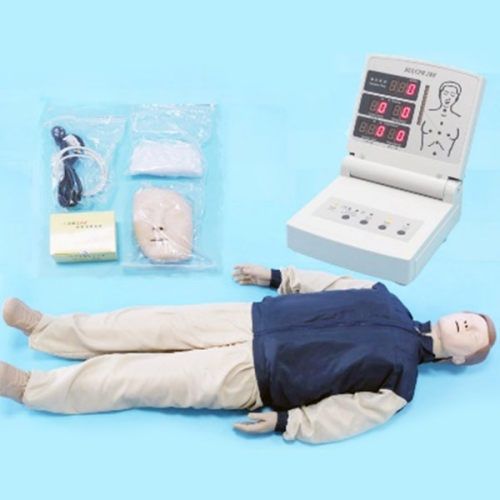 SC-CPR280 Multifunctional Electronic CPR Simulator is a fully automatic cardiopulmonary resuscitation simulator provided by us. The product is made of advanced PVC material. The imported thermoplastic elastomer mixed rubber material is made of stainless steel mold and injected at high temperatures by the injection molding machine. It has the characteristics of accurate anatomical landmarks, real simulation, durability, and no deformation.[/caption]
Why Feedback Matters
Traditional manikins teach basic mechanics but no accountability. Feedback models offer instant correction (audio/visual alerts for off-target technique), build confidence (real-time progress cues), and boost long-term skill retention—benefits traditional models can’t match.
For instructors, they simplify group training by letting educators monitor multiple trainees and focus on those needing support.
Age-Specific Feedback Manikins
CPR technique varies by age, and feedback manikins are tailored to each group’s unique physiology and guidelines.
Adult CPR Manikins
Simulating ages 18–65, these manikins mimic adult torso anatomy. Feedback aligns with AHA standards: 2–2.4 inch (5–6 cm) compression depth, 100–120 compressions per minute, and full recoil.
Top models (e.g., Prestan Professional, Zoll AED 3-compatible) offer dual visual/audible feedback, with advanced options for Bluetooth progress tracking. Ideal for workplaces, first responder courses, and community classes.
Pediatric CPR Manikins
For ages 1–8, these smaller manikins have delicate chests. Feedback metrics adjust to 1.5–2 inch (4–5 cm) compression depth and smaller ventilations to avoid lung damage.
Models like the Prestan Professional Child Manikin include realistic airway management features, with feedback calibrated to prevent excessive force. Essential for teachers, daycare providers, and parents.
Infant CPR Manikins
For birth to 1 year, these specialized manikins require 1–1.5 inch (2.5–4 cm) compressions and gentle ventilations to protect fragile lungs.
Options like the Brayden Baby or Laerdal Resusci Baby QCPR use lung-shaped LEDs to guide ventilation, with features to practice proper airway positioning. Many include pulse checks and choking intervention tools.
Key Features to Look For
When choosing feedback manikins, prioritize: AHA/ARC/ERC compliance, dual visual/audible feedback, realistic anatomy, hygienic design (disposable parts, easy cleaning), portability/durability, and optional app connectivity for progress tracking.
Who Benefits Most?
Feedback manikins are essential for healthcare professionals (maintaining precision), training centers (efficient group instruction), schools/daycares (age-specific skills), and workplaces/community groups (building lay rescuer confidence).